What is Nyepi ?
Nyepi marks the Balinese New Year (Saka New Year) and is a day dedicated to self-contemplation and purification. Unlike New Year's celebrations elsewhere that are often marked by fireworks and revelry, Nyepi is characterized by an almost absolute stillness. It's a day of complete quiet, when the entire island seemingly holds its breath.
The core observances of Nyepi, known as the Catur Brata Penyepian, include:
- Amati Geni (No Fire/Light): This means no fires are lit, no lights are turned on, and often, no cooking takes place.
- Amati Karya (No Activity): All work and physical activities cease. Most people stay indoors.
- Amati Lelungan (No Traveling): There is no travel allowed, and even the airport is closed for 24 hours.
- Amati Lelanguan (No Entertainment/Fasting): No pleasure-seeking activities, entertainment, or often, even eating or drinking.
The goal of these restrictions is to give the island and its inhabitants a chance to cleanse themselves of negative influences and to connect with their inner selves. The silence is believed to trick any lingering evil spirits into thinking the island is uninhabited, encouraging them to leave.
The Night Before: Ogoh-Ogoh Parades!
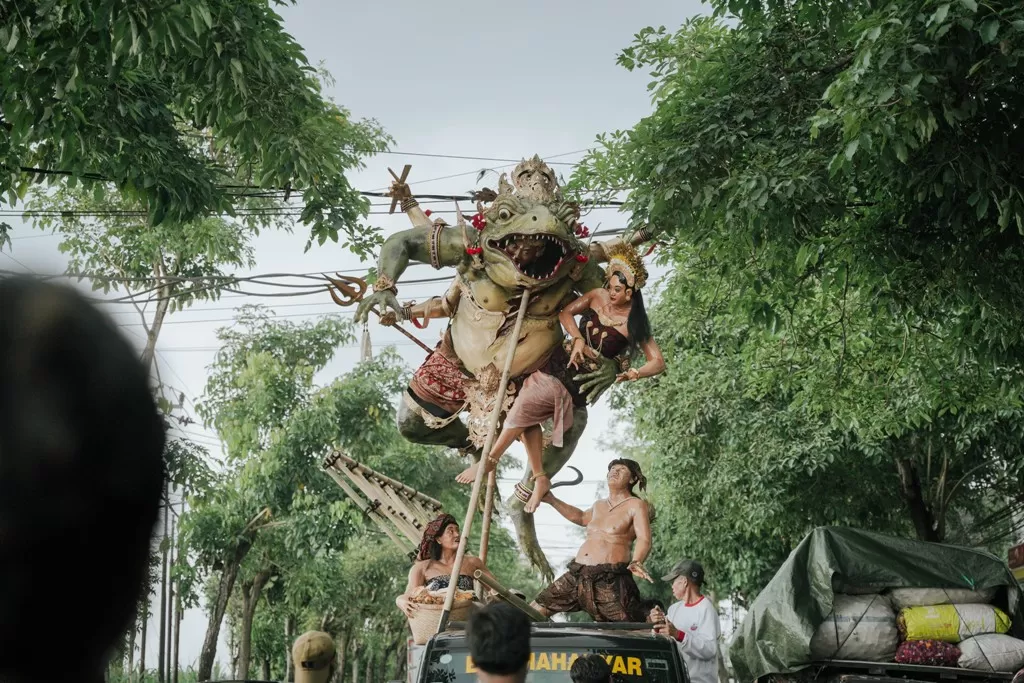
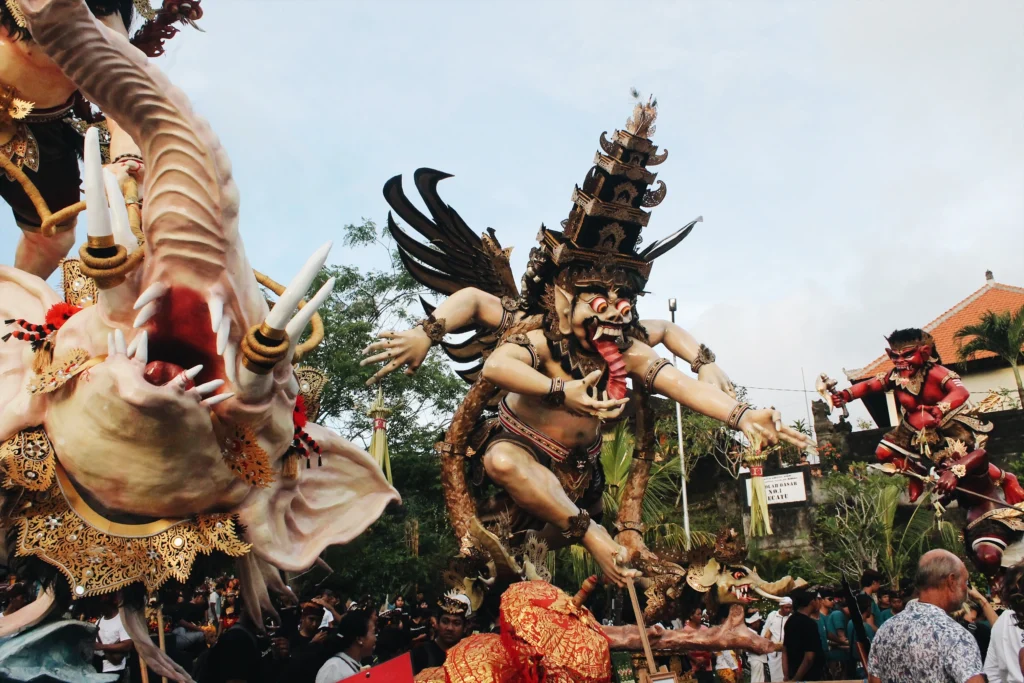
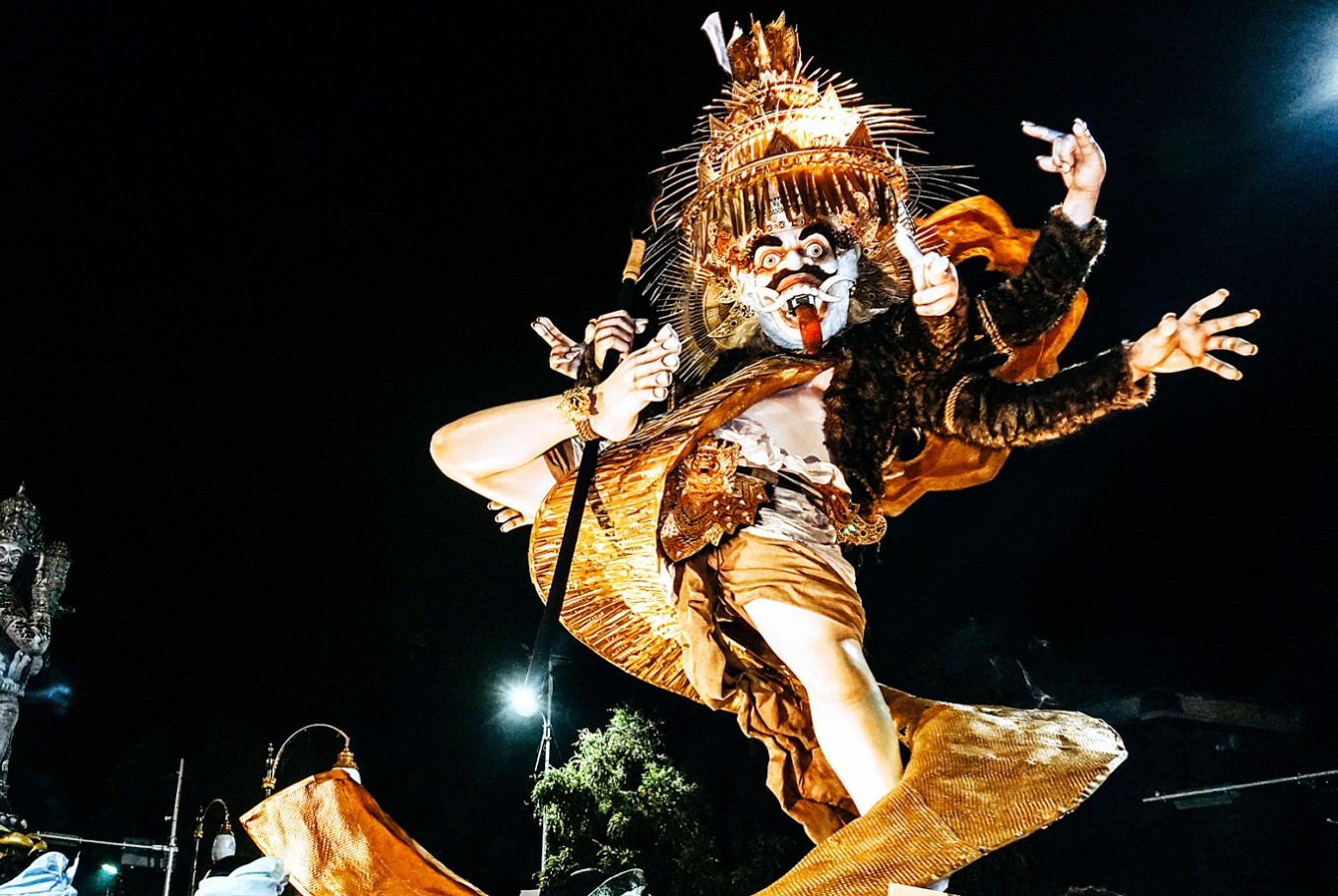
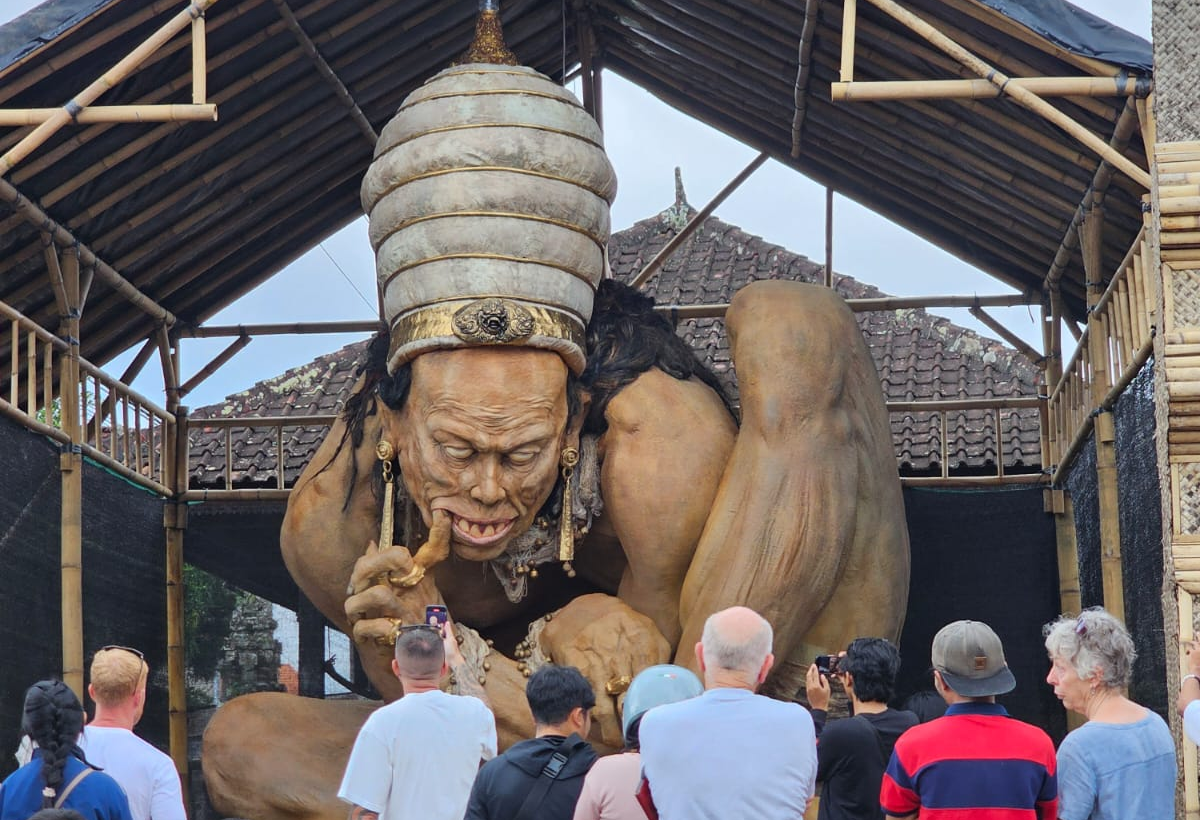
While Nyepi itself is a day of silence, the evening before is anything but! This is when the vibrant and spectacular Ogoh-Ogoh parades take place. Ogoh-ogoh are giant, often fearsome, effigies built by community youth groups (sekaa teruna). They typically depict demonic figures, mythical beasts, or even modern-day corruptors, symbolizing negative elements and evil spirits.
The parades are boisterous affairs, with the Ogoh-ogoh being paraded through the streets, often spun around vigorously to disorient any lurking evil spirits. The air is filled with the rhythmic sounds of gamelan music and the cheers of the crowd.