Dress Code: Modesty is Key
Visiting Bali's temples is a deeply enriching experience, offering a glimpse into the spiritual heart of the island. However, these are sacred places, and observing proper etiquette is essential to show respect for the local culture and religious practices.
This is the most fundamental rule and strictly enforced at all temples.
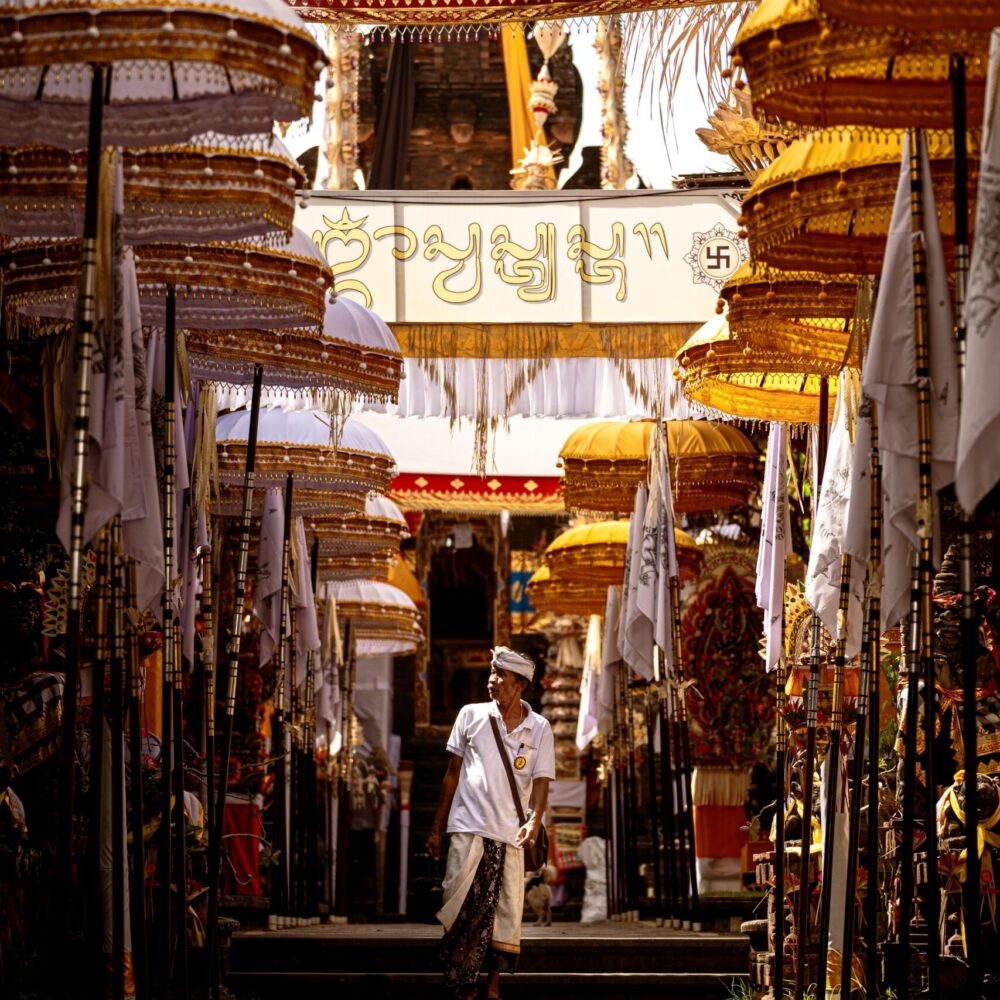
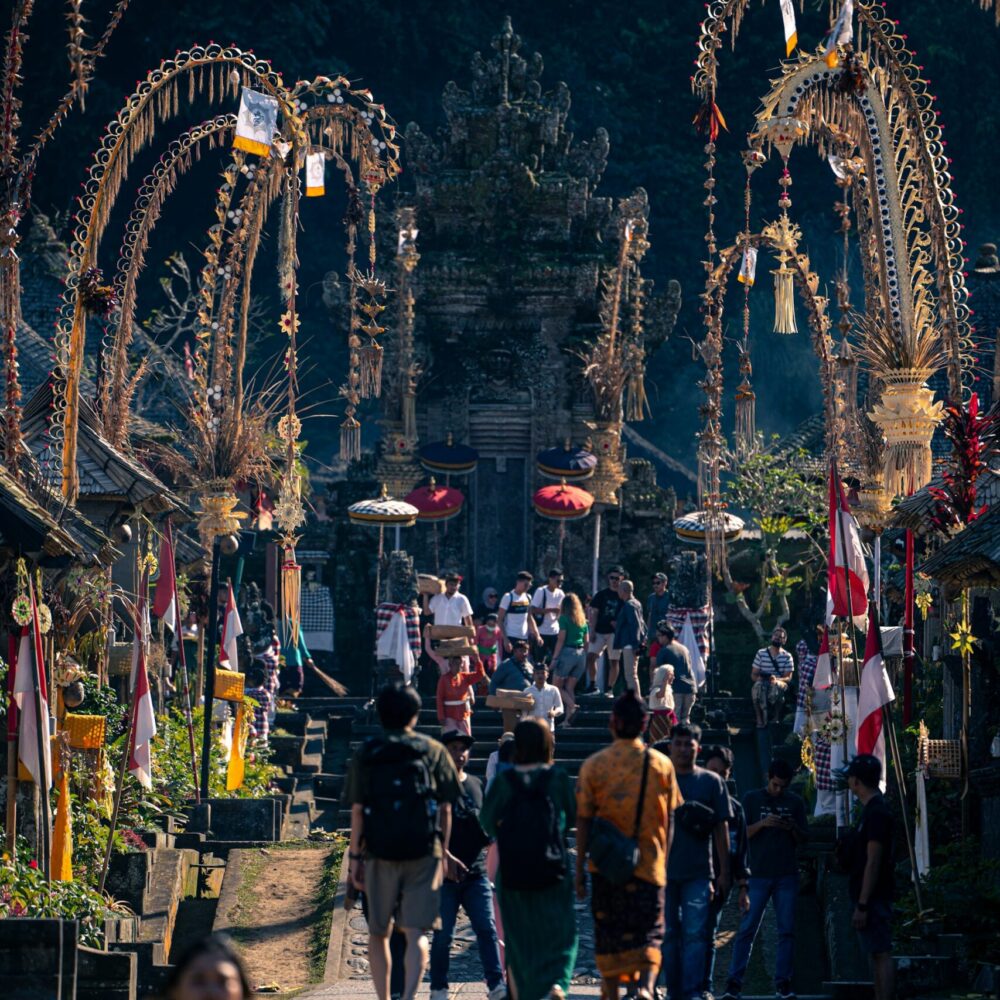
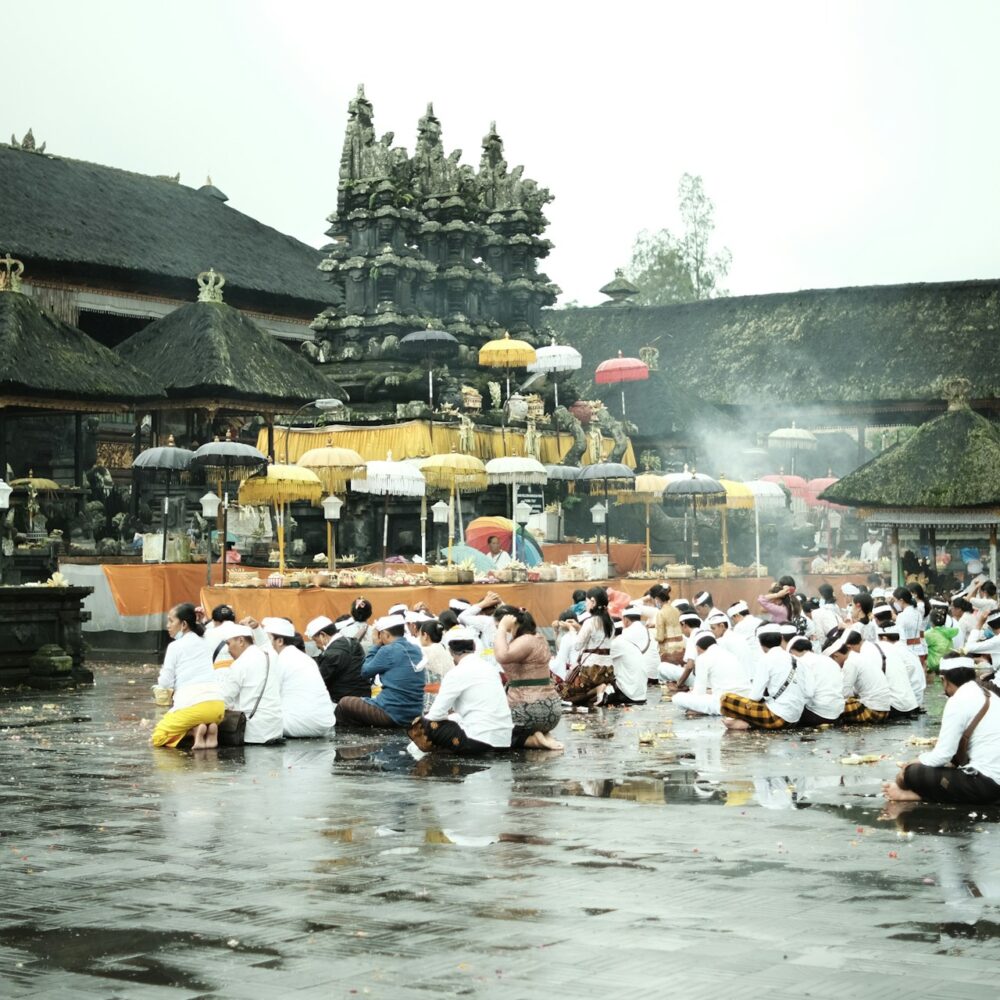
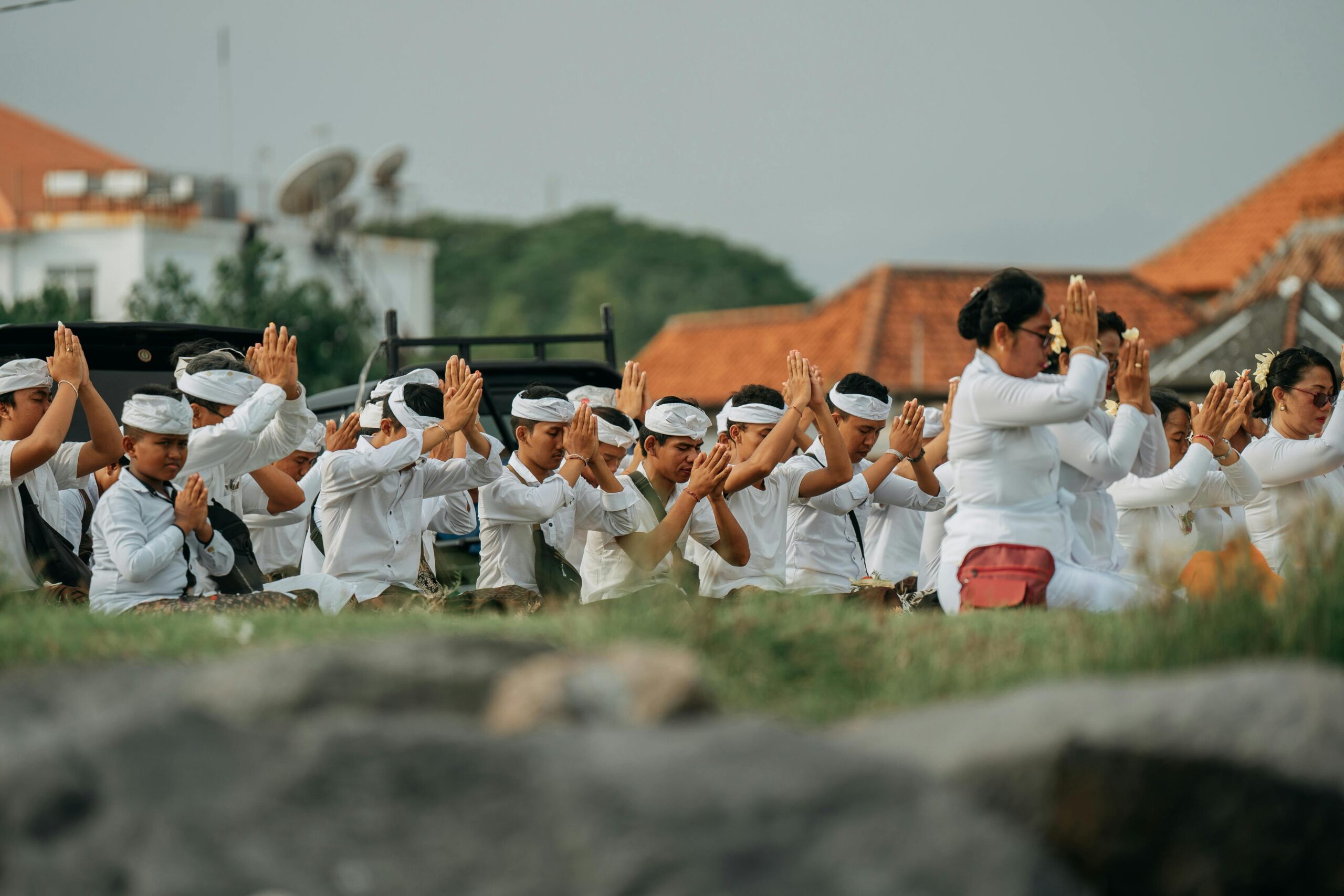
- Sarong: You must wear a sarong (a piece of cloth wrapped around the lower body) and a sash (a band tied around the waist) to enter the inner areas of a temple. These are usually available for rent at the temple entrance for a small fee, or you can purchase your own from local shops.
- Shoulders Covered: Your shoulders should be covered. A t-shirt, shirt, or scarf is usually sufficient. Avoid sleeveless tops, tank tops, or strapless dresses.
- Knees Covered: Both men and women must have their knees covered by the sarong.
- Footwear: While there’s no strict rule about removing shoes at the outer areas, it’s customary and respectful to take them off if you are entering the inner courtyards or a prayer area.
Specific Restrictions:
- Menstruating Women: Women who are menstruating are traditionally not permitted to enter the inner sanctum or main prayer areas of temples. This is based on the belief that they are in an “unclean” state and could desecrate the sacred space. While not always enforced, it’s deeply ingrained in Balinese culture, and respecting this tradition is highly appreciated.
- Open Wounds/Bleeding: Similarly, anyone with an open wound or bleeding is generally asked not to enter.
- Babies with Umbilical Cord Still Attached: Infants whose umbilical cords have not yet fallen off are also traditionally not allowed to enter.
- Recent Bereavement: Individuals who have recently experienced a death in their immediate family might also be asked to refrain from entering until a purification ceremony has been performed.